Better Intimacy: $2.99/month Counseling can cost $1.5K-$4K Divorce can cost $15K+

Before a high-cost divorce, run a lower-cost clarity test.

Better Intimacy is not therapy, legal advice, or a safety service. It is a private relationship system that helps couples notice patterns, communicate earlier, and decide with more clarity about what to try next.

If there is abuse, coercion, threats, or serious safety risk, prioritize safety and local professional help first.

  • Private by design
  • Useful before, during, or alongside counseling
  • Not a substitute for therapy, legal counsel, or emergency support
$2.99/mo or $29.99/yr
A low-cost way to build context before bigger decisions.
$1.5K-$4K
A typical counseling range many couples face before longer-term care.
$15K-$30K+
A common U.S. divorce range before higher-conflict cases climb further.

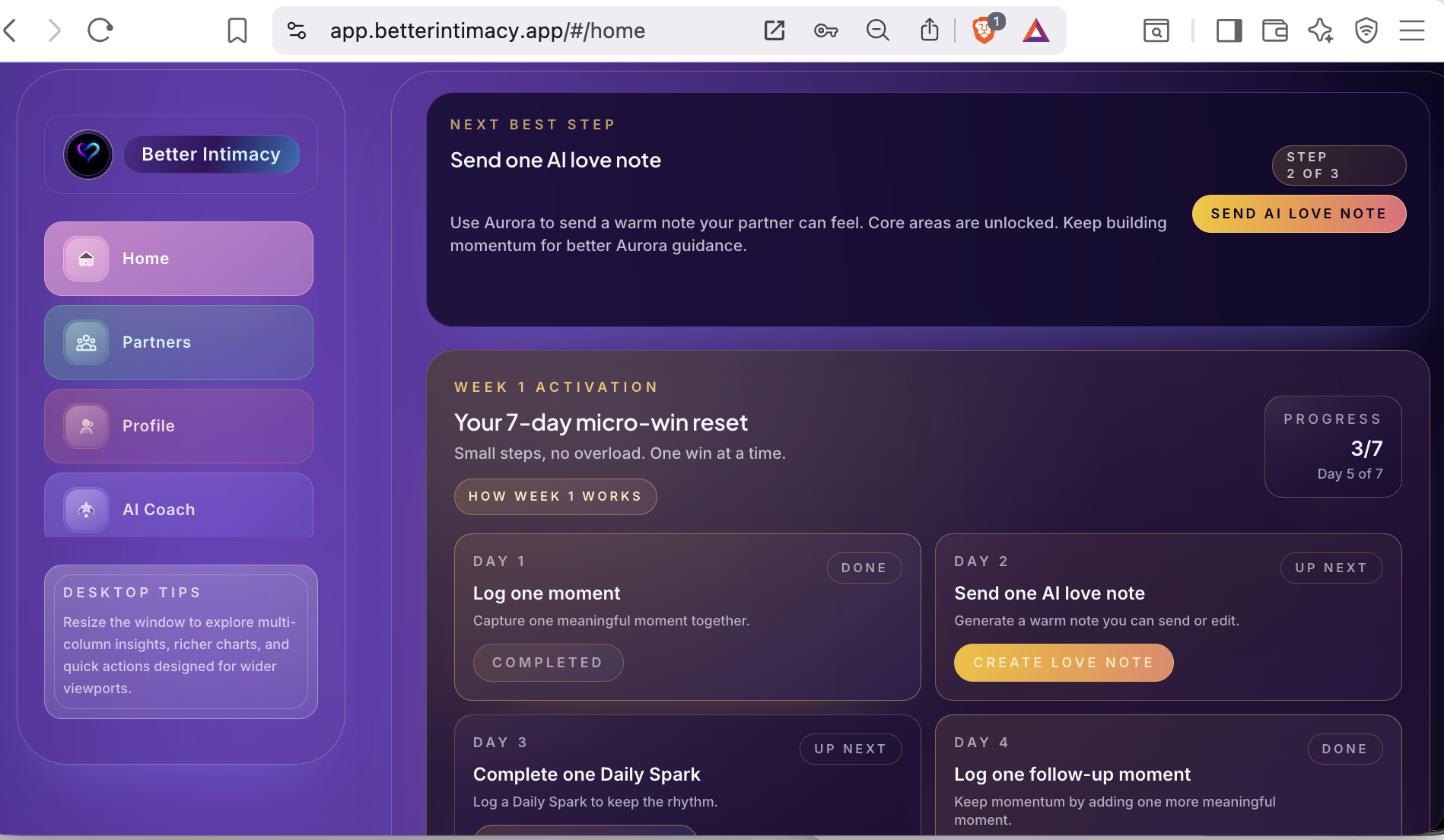
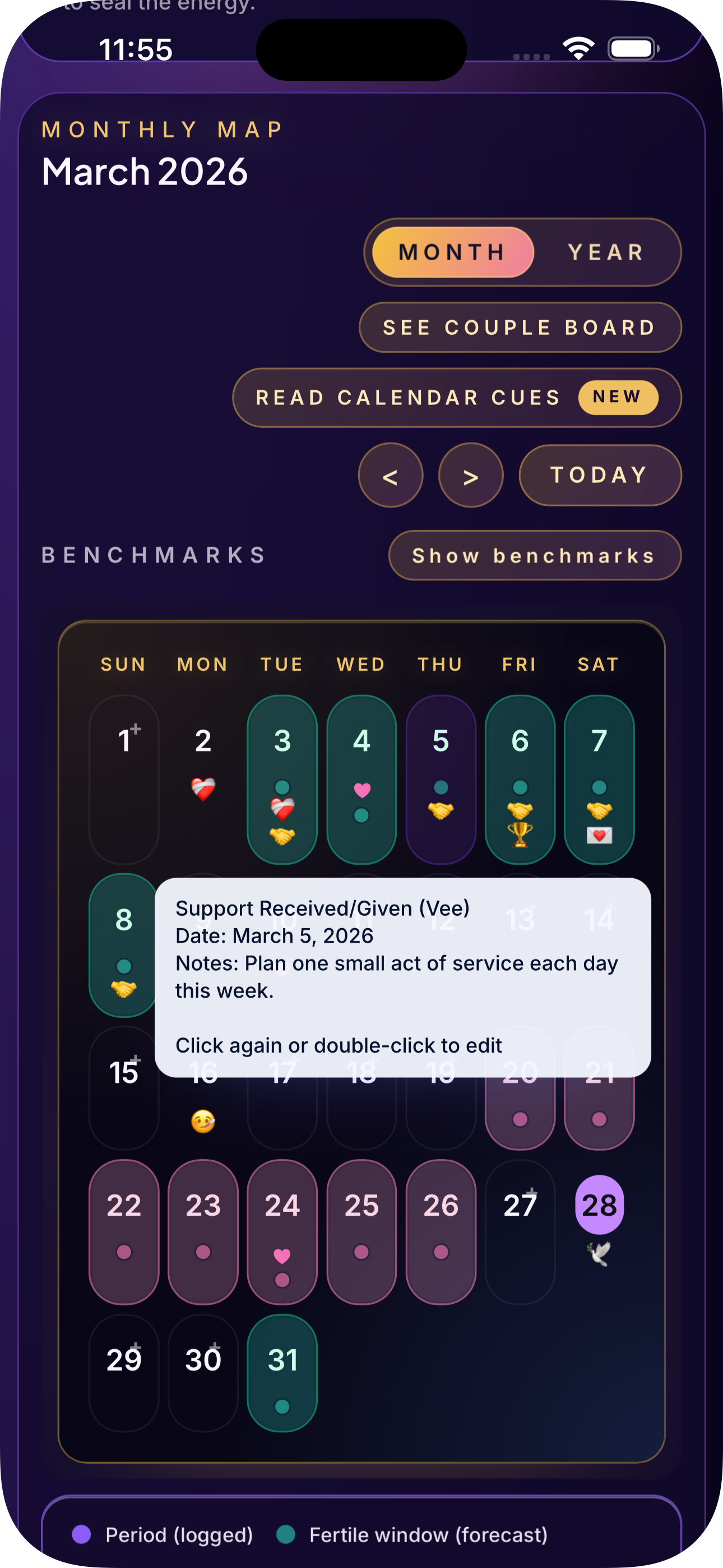
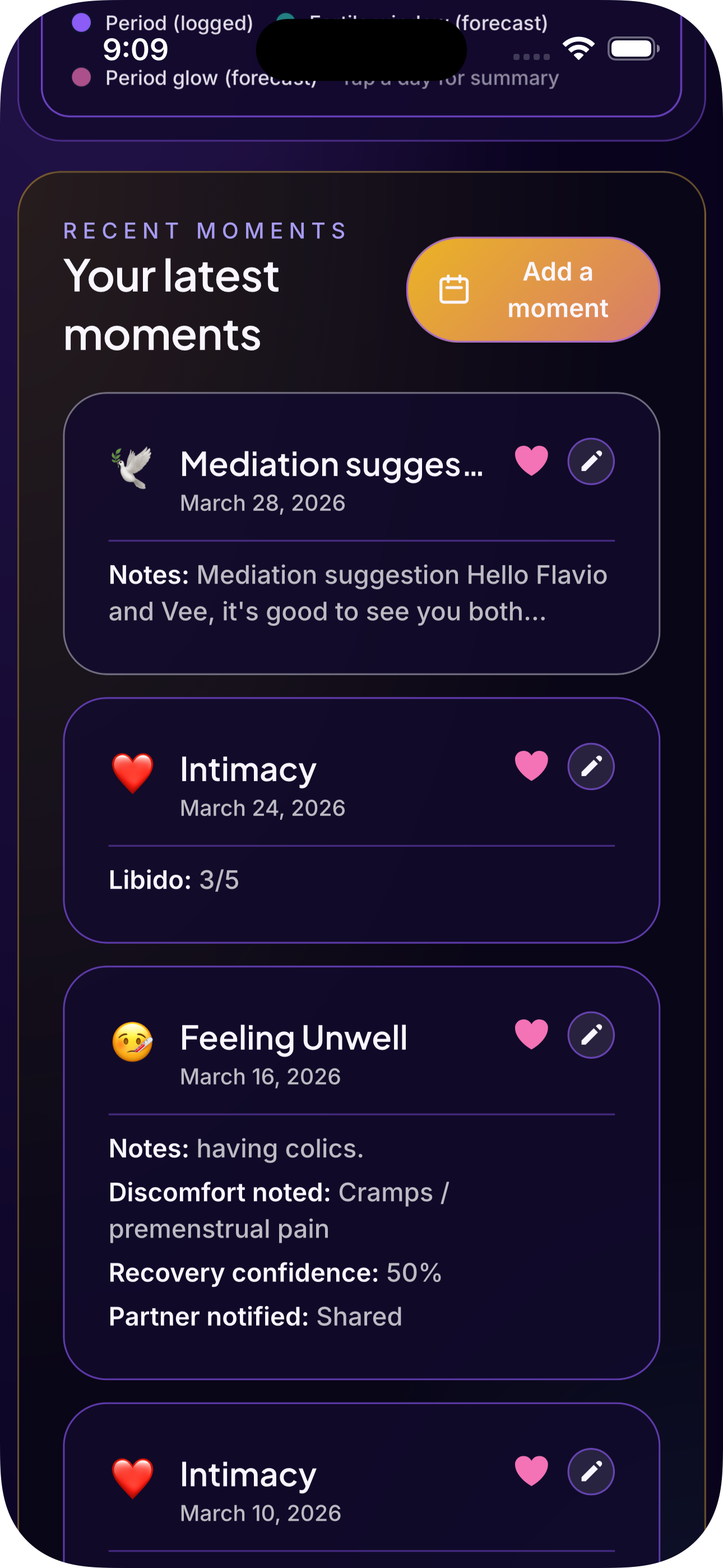
Better Intimacy dashboard showing relationship context and guidance

Build real evidence from your own relationship before making a costly irreversible decision.

Read the decision guide

Cost comparison: app vs counseling vs divorce

Think of this like an investment decision. Start with the lowest-cost experiment that can still produce honest signal.

Better Intimacy

$2.99/month or $29.99/year

A private system for logging moments, spotting patterns, and getting guided next steps before conflict hardens.

  • Low cost, low friction, fast to start
  • Can support one partner or both
  • Useful before or alongside counseling

Marriage counseling

$1,500-$4,000 typical total

A higher-cost but often worthwhile intervention when both partners still have respect, effort, and some openness.

  • Structured guidance from a trained professional
  • Longer or intensive work can reach $8K-$10K
  • Best when both people actually engage

Divorce

$15,000-$30,000 average

Sometimes the right decision, but financially and emotionally much heavier, especially when conflict escalates.

  • High-conflict cases can reach $50K-$100K+
  • Often includes moving, legal fees, and split assets
  • Two households usually cost more than one

The point is not to shame divorce. The point is to avoid making an expensive irreversible decision without first getting cleaner signal when safety allows.

What money does not capture

The real cost is not only financial.

Counseling, separation, and repair each carry emotional consequences. A smarter process reduces regret even when the final decision is to separate.

Emotional cost

Counseling can improve communication or at least produce a cleaner breakup. Divorce can still be the right move, but it usually brings stress, uncertainty, and long recovery.

Children watch the process

Kids benefit when adults model effort, boundaries, and problem-solving. High-conflict homes are harmful, but thoughtful repair attempts or respectful separation are far healthier than chaos.

Hidden financial layers

Divorce often includes asset splits, selling a home, moving costs, child support, alimony, tax changes, and duplicate household expenses.

Regret reduction

A structured test gives you data. If things improve, continue. If nothing changes, you can separate with more clarity and less second-guessing.

How to tell whether the marriage is still fixable

Do not ask only whether you are hurt. Ask whether there is still effort, respect, and some emotional connection left in the system.

More likely fixable

Signs there is still something to work with

  • There is still pain, care, or emotional connection instead of total indifference.
  • Conflict exists, but not constant contempt, humiliation, or mockery.
  • Both people are at least somewhat willing to try.
  • The problems are patterns like stress, distance, or communication, not active abuse.
  • You still have normal moments: cooperation, laughter, affection, or teamwork.

High risk / likely over

Signs counseling may become expensive delay

  • One partner is emotionally shut down and already done.
  • Contempt is constant: eye-rolling, mocking, or talking down.
  • Repeated betrayal or lying keeps happening without accountability.
  • Addiction, abuse, coercion, or threats are active and not changing.
  • If nothing changed for five years, you already know you would leave.

Pain does not always mean the relationship is dead. Indifference and contempt are usually the louder warning signs.

How to run a structured test instead of guessing

Do not drift into endless sessions. Define a goal, run a short window, and measure change.

1

Set a real objective

Pick a concrete goal like improving communication, reducing fight intensity, or deciding whether to stay together.

2

Use a 6-8 session window

That is usually enough time to see whether a therapist, a process, and mutual effort are producing any real movement.

3

Track whether anything is changing

Are fights shorter? Is understanding improving? Is repair faster? If nothing changes after honest effort, that matters.

4

Make a decision after the test

Continue if you see progress. Switch therapist if the process is bad. Separate if one person will not engage or the relationship is unsafe.

Better Intimacy fits here as the pattern tracker between sessions: daily context, calmer check-ins, and shared visibility instead of vague memory.

Where Better Intimacy fits

The app is not the whole answer. It is the low-cost operating layer that can make the next decision cleaner.

Before counseling

Use it to capture moments, recurring arguments, mood shifts, and repair attempts so you stop debating from memory.

During counseling

Bring clearer context into sessions, follow through on rituals between meetings, and spot whether things are actually improving.

After the decision

If you repair, keep the habits. If you separate, you still leave with more clarity about what was tried and what stayed broken.

Questions people ask before spending more

Short answers for the hard questions behind the page.

Is Better Intimacy supposed to replace counseling?

No. It is a lower-cost tool for awareness, communication, and follow-through. Counseling is still the stronger option when both people are willing and a trained therapist is needed.

Is this page saying everyone should stay married?

No. Some relationships should end. The argument here is narrower: when safety allows and there is still some chance of repair, it is often worth running a structured lower-cost test before an irreversible decision.

When should safety come first instead of counseling?

If there is emotional abuse, physical abuse, coercion, threats, or addiction with no effort to change, prioritize safety, boundaries, and qualified local support. Do not treat this page as crisis guidance.

Why compare costs at all?

Because many couples only compare feelings in the moment. Cost is not everything, but it does clarify how cheap it can be to get better data before a much bigger decision.

Start with signal

Run the lower-cost experiment before the irreversible one.

Start free, build real context, and decide from clearer data instead of another exhausted argument.

No credit card required to start.